

Velocity-based training (VBT) for powerlifting has shown itself to be an effective method with its adaptive approach to building brute strength and technique while preventing overtraining. Unlike traditional percentage-based programs, VBT gives you real-time feedback, letting you tweak your lifts on the spot. It personalizes your training load to how you’re feeling that day, which…
Powerlifting is one of my favorite ways to train because it demands not only brute strength, but also precision, technique, and adaptability.
Traditional training methods, which generally use percentage-based programming, have been the cornerstone of powerlifting for decades. However, velocity-based training (VBT) for powerlifting has been gaining a lot of traction recently…
Let’s check out exactly what velocity-based training for powerlifting is, why VBT is great for strength, and how you can implement it yourself.
Velocity-based training offers a couple big benefits over traditional methods, making it a potentially invaluable tool for powerlifters:
VBT for powerlifting works so well because of its ability to provide objective, real-time data that can be used to fine-tune training programs.
Traditional methods often rely on subjective things like perceived exertion, or fixed percentages of one-rep max (1RM), which can be influenced by factors like:
VBT offers a more precise and adaptable approach:
Implementing VBT in a powerlifting program involves several steps, from selecting the right equipment to interpreting the data:
SimpliFaster offers a range of VBT devices that work for any of your needs and budget.
For example, the Enode Sensor is a lightweight, simple, budget-friendly yet powerful tool that fits nearly everyone’s needs.
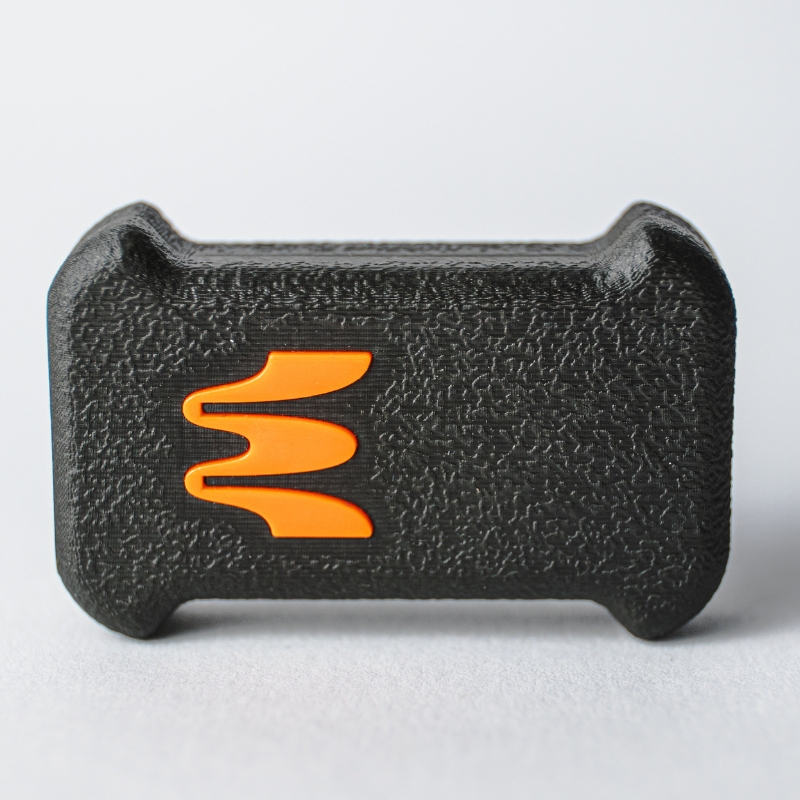
The most popular types include linear position transducers and wearable accelerometers.
These devices measure the speed of each lift and provide instant feedback.
Using velocity-based training for powerlifting is quick and easy:
VBT for powerlifting uses a lot more data than simple percentage-based strategies, which can be confusing initially.
Here are some key metrics to check out:
Keeping a close eye on your neuromuscular function is a great way to see if adaptations are happening.
Continuously monitoring this helps understand an athlete’s readiness to train, essentially providing a snapshot of their fitness-fatigue status.
For example, when lifting a fixed external load, the mean velocity (MV) over time might indicate different neuromuscular values from baseline.
Reductions in velocity can be signs of fatigue, overreaching, overtraining, or maladaptation.
On the other hand, faster velocities might indicate improvements in neuromuscular capacity or acute potentiation.
This allows you to see the effectiveness of your training methods quickly – it’s like doing 1RM testing every day without having to actually perform 1RMs!
Simply put, if the projected 1RM increases, adaptations are happening. If it decreases, the athlete is fatigued and you need to adjust.

While percentage-based training has been a staple in powerlifting, it comes with limitations.
These programs often assume a linear progression and fail to account for daily fluctuations in an athlete’s condition, which is a common hurdle.
VBT looks at training with a more flexible approach:
Velocity-based training is changing the way powerlifters train, offering a more individualized, responsive, and objective approach.
By leveraging real-time data, VBT helps optimize training loads, manage fatigue, and enhance neuromuscular efficiency.
For those looking to take their powerlifting to the next level, integrating VBT into your training program could be the game-changer you’ve been needing – check out our VBT gear!
Is velocity-based training worth it?
Yes, velocity-based training (VBT) is worth it for athletes and coaches looking to optimize performance. It allows for the real-time monitoring of an athlete’s speed during exercises, which helps in fine-tuning training loads and intensity. Trainers can make sure that athletes are working within their optimal velocity zones, enhancing performance and reducing the risk of overtraining.
What is velocity-based training for power?
Velocity-based training for power focuses on using the speed of movement to gauge the effectiveness of an exercise. It involves measuring how quickly an athlete can move a load, which is key for developing explosive power. By tracking these velocities, trainers can adjust the load to maximize power output, making workouts more efficient and performance-oriented.
How to implement VBT?
You first need to invest in a device that measures bar speed, such as a linear position transducer or an accelerometer. Then you can start by determining the velocity zones specific to your athletes. These zones will guide you in adjusting the load and intensity of each exercise to align with your desired training outcomes.
What are the advantages of velocity-based training?
Velocity-based training offers several advantages, including personalized training loads, real-time feedback, and improved performance metrics. It allows for more precise adjustments in workout intensity, which can lead to better strength and power gains. VBT also reduces the risk of overtraining and injury.
Does velocity increase power?
Yes, velocity increases power. Power is a function of both force and velocity, meaning that increasing the speed at which an exercise is performed can increase overall power output.
What is high velocity power training?
High velocity power training involves performing exercises at high speeds to maximize power output. This type of training focuses on moving loads as quickly as possible, which helps in developing explosive strength.
Velocity-based training (VBT) for powerlifting has shown itself to be an effective method with its adaptive approach to building brute strength and technique while preventing overtraining. Unlike traditional percentage-based programs, VBT gives you real-time feedback, letting you tweak your lifts on the spot. It personalizes your training load to how you’re feeling that day, which…
Powerlifting is one of my favorite ways to train because it demands not only brute strength, but also precision, technique, and adaptability.
Traditional training methods, which generally use percentage-based programming, have been the cornerstone of powerlifting for decades. However, velocity-based training (VBT) for powerlifting has been gaining a lot of traction recently…
Let’s check out exactly what velocity-based training for powerlifting is, why VBT is great for strength, and how you can implement it yourself.
Velocity-based training offers a couple big benefits over traditional methods, making it a potentially invaluable tool for powerlifters:
VBT for powerlifting works so well because of its ability to provide objective, real-time data that can be used to fine-tune training programs.
Traditional methods often rely on subjective things like perceived exertion, or fixed percentages of one-rep max (1RM), which can be influenced by factors like:
VBT offers a more precise and adaptable approach:
Implementing VBT in a powerlifting program involves several steps, from selecting the right equipment to interpreting the data:
SimpliFaster offers a range of VBT devices that work for any of your needs and budget.
For example, the Enode Sensor is a lightweight, simple, budget-friendly yet powerful tool that fits nearly everyone’s needs.
The most popular types include linear position transducers and wearable accelerometers.
These devices measure the speed of each lift and provide instant feedback.
Using velocity-based training for powerlifting is quick and easy:
VBT for powerlifting uses a lot more data than simple percentage-based strategies, which can be confusing initially.
Here are some key metrics to check out:
Keeping a close eye on your neuromuscular function is a great way to see if adaptations are happening.
Continuously monitoring this helps understand an athlete’s readiness to train, essentially providing a snapshot of their fitness-fatigue status.
For example, when lifting a fixed external load, the mean velocity (MV) over time might indicate different neuromuscular values from baseline.
Reductions in velocity can be signs of fatigue, overreaching, overtraining, or maladaptation.
On the other hand, faster velocities might indicate improvements in neuromuscular capacity or acute potentiation.
This allows you to see the effectiveness of your training methods quickly – it’s like doing 1RM testing every day without having to actually perform 1RMs!
Simply put, if the projected 1RM increases, adaptations are happening. If it decreases, the athlete is fatigued and you need to adjust.
While percentage-based training has been a staple in powerlifting, it comes with limitations.
These programs often assume a linear progression and fail to account for daily fluctuations in an athlete’s condition, which is a common hurdle.
VBT looks at training with a more flexible approach:
Velocity-based training is changing the way powerlifters train, offering a more individualized, responsive, and objective approach.
By leveraging real-time data, VBT helps optimize training loads, manage fatigue, and enhance neuromuscular efficiency.
For those looking to take their powerlifting to the next level, integrating VBT into your training program could be the game-changer you’ve been needing – check out our VBT gear!
Is velocity-based training worth it?
Yes, velocity-based training (VBT) is worth it for athletes and coaches looking to optimize performance. It allows for the real-time monitoring of an athlete’s speed during exercises, which helps in fine-tuning training loads and intensity. Trainers can make sure that athletes are working within their optimal velocity zones, enhancing performance and reducing the risk of overtraining.
What is velocity-based training for power?
Velocity-based training for power focuses on using the speed of movement to gauge the effectiveness of an exercise. It involves measuring how quickly an athlete can move a load, which is key for developing explosive power. By tracking these velocities, trainers can adjust the load to maximize power output, making workouts more efficient and performance-oriented.
How to implement VBT?
You first need to invest in a device that measures bar speed, such as a linear position transducer or an accelerometer. Then you can start by determining the velocity zones specific to your athletes. These zones will guide you in adjusting the load and intensity of each exercise to align with your desired training outcomes.
What are the advantages of velocity-based training?
Velocity-based training offers several advantages, including personalized training loads, real-time feedback, and improved performance metrics. It allows for more precise adjustments in workout intensity, which can lead to better strength and power gains. VBT also reduces the risk of overtraining and injury.
Does velocity increase power?
Yes, velocity increases power. Power is a function of both force and velocity, meaning that increasing the speed at which an exercise is performed can increase overall power output.
What is high velocity power training?
High velocity power training involves performing exercises at high speeds to maximize power output. This type of training focuses on moving loads as quickly as possible, which helps in developing explosive strength.
You must be logged in to post a comment.