


Strength and speed compliment each other while serving different purposes, with each also requiring different training methods. Strength is about exerting force against resistance, important for injury prevention and improved performance, which is often developed through resistance training and progressive overload. Speed involves moving quickly, essential for sports demanding quick bursts of movement, and is…
The debate between strength and speed has been ongoing for decades, just like strength vs. power.
Both are needed for the best athletic performance, yet they serve different purposes and require different training approaches.
Let’s check out what each of these entails in sports, how to train for them, and the devices that can help achieve peak performance in both strength and speed!
Strength is the ability of a muscle or group of muscles to exert force against resistance.
It’s foundational for nearly every athletic activity, whether you’re lifting weights, sprinting, or even jumping.
Strength is often measured through max lifts (1RMs) like the bench press, squat, and deadlift, although there are different types of strength that serve different purposes.
Training for strength typically involves resistance training, which can be broken down into several key components:
Resistance Training
Progressive Overload
Gradually increasing the resistance or weight used in exercises is the best way to continue progress.
This principle, known as progressive overload, ensures that muscles are consistently challenged in a manageable way.
Compound Movements
Exercises that involve multiple muscle groups, such as squats, deadlifts, and bench presses, are very effective for building overall strength.
Rest & Recovery
Muscles need time to repair and grow stronger.
Make sure you’re getting enough rest between workouts, and consider using active recovery techniques like walking, stretching, or foam rolling.
Speed is the ability to move quickly or move limbs rapidly to grab or throw.
It’s a key factor in sports where quick bursts of movement are required like sprinting, football, and basketball.
Training for speed involves specific drills and exercises aimed at improving both quickness and agility.
Sprint Training
Plyometrics
Exercises like box jumps, bounding, and hurdle hops build explosive power, which translates to greater speed.
Strength Training
While mainly aimed at building muscle, strength training also plays a critical role in speed development.
Stronger muscles can produce more force, leading to faster movements.
Technique Drills
Proper running mechanics, including arm swing and stride length, can significantly impact speed.
Drills focusing on these aspects can be a game-changer.
While both are important for athletic performance, they serve different purposes and require distinct training methods:
The terms “speed-strength” and “strength-speed” often come up in athletic training, and while they may sound similar, they refer to different concepts.
Speed-strength is the ability to exert force rapidly – pretty similar to power!
It’s used in activities that require quick, explosive movements like sprinting and jumping.
Training for speed-strength often involves plyometrics and short sprints.
Strength-speed is the ability to exert force quickly but with a greater emphasis on the strength component.
It’s very important for activities that require both power and speed, such as shot putting and weightlifting.
Training for strength-speed often involves lifting heavy weights at high speeds.
We offer a range of equipment designed to help athletes and coaches train both strength and speed:
The Enode is a cutting-edge device that tracks and measures various aspects of athletic performance, including speed and strength.

Here’s how you can use it:
Force plates measure the forces exerted during movements, offering valuable data for optimizing training programs.
For example, the Hawkin Dynamics Dual Force Plate is a great one.

They are particularly useful for assessing explosive power and monitoring progress.
Accurate timing systems are essential for measuring speed and reaction times.
These systems can be used in sprint training, agility drills, and other speed-focused exercises.
A great example is the Freelap Pro BT424.

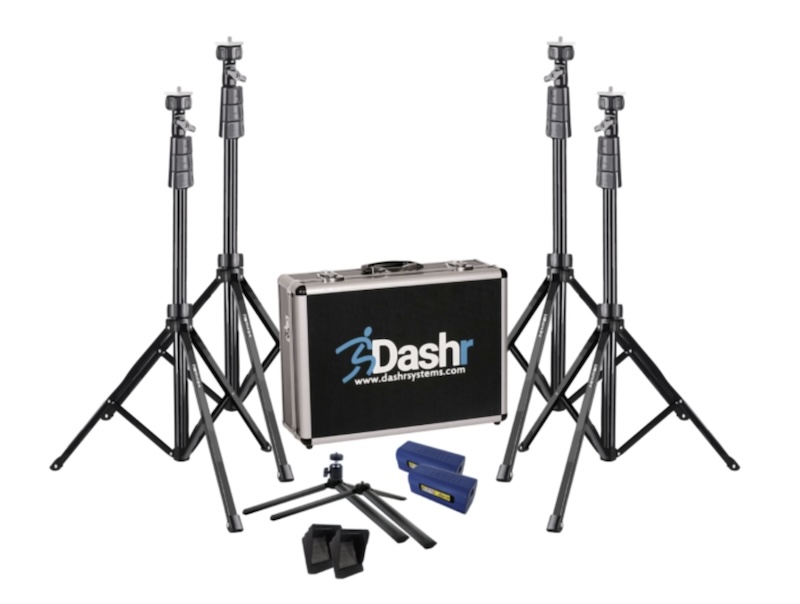
Another awesome timing system is the Dashr Kit 2-Gate System.
Understanding the dynamics between strength and speed is important for developing well-rounded athletes.
By incorporating the right training methods for both speed and strength, and utilizing devices like the Enode Sensor, Dashr, and Freelap BT424, you can improve both of them to give you a competitive edge!
Is speed better than strength?
Whether speed is better than strength depends on the context of the sport or activity. Speed can be crucial for sports requiring quick movements and rapid responses, while strength is key for activities demanding power and endurance. Having both in your arsenal is even better!
Is speed more powerful than strength?
Speed and strength serve different purposes and cannot be directly compared in terms of power. Speed allows for quick execution and agility, while strength provides the force necessary to perform powerful actions. Both attributes are essential for athletic performance, and their importance varies depending on the sport.
Can speed defeat strength?
Speed can have an advantage over strength in scenarios where quick movements and agility are more important. For example, in sports like boxing or sprinting, speed can outmaneuver raw strength.
Is it better to be strong or fast?
The answer depends on the sport or activity. In some sports, such as weightlifting, strength is more important. In others, like sprinting, speed is more beneficial.
What is the relationship between strength and speed?
Strength and speed are interconnected. Increased strength can boost speed by allowing muscles to exert more force in a shorter amount of time.
Does speed make you punch harder?
Speed can help you punch harder by increasing the momentum and impact force.
Is it better to be fast or strong in boxing?
In boxing, both speed and strength are important. Speed allows for quick, agile movements and timely strikes, while strength contributes to the power behind punches.
Can you combine speed and strength?
Yes, it is possible to combine speed and strength through targeted training.
Strength and speed compliment each other while serving different purposes, with each also requiring different training methods. Strength is about exerting force against resistance, important for injury prevention and improved performance, which is often developed through resistance training and progressive overload. Speed involves moving quickly, essential for sports demanding quick bursts of movement, and is…
The debate between strength and speed has been ongoing for decades, just like strength vs. power.
Both are needed for the best athletic performance, yet they serve different purposes and require different training approaches.
Let’s check out what each of these entails in sports, how to train for them, and the devices that can help achieve peak performance in both strength and speed!
Strength is the ability of a muscle or group of muscles to exert force against resistance.
It’s foundational for nearly every athletic activity, whether you’re lifting weights, sprinting, or even jumping.
Strength is often measured through max lifts (1RMs) like the bench press, squat, and deadlift, although there are different types of strength that serve different purposes.
Training for strength typically involves resistance training, which can be broken down into several key components:
Resistance Training
Progressive Overload
Gradually increasing the resistance or weight used in exercises is the best way to continue progress.
This principle, known as progressive overload, ensures that muscles are consistently challenged in a manageable way.
Compound Movements
Exercises that involve multiple muscle groups, such as squats, deadlifts, and bench presses, are very effective for building overall strength.
Rest & Recovery
Muscles need time to repair and grow stronger.
Make sure you’re getting enough rest between workouts, and consider using active recovery techniques like walking, stretching, or foam rolling.
Speed is the ability to move quickly or move limbs rapidly to grab or throw.
It’s a key factor in sports where quick bursts of movement are required like sprinting, football, and basketball.
Training for speed involves specific drills and exercises aimed at improving both quickness and agility.
Sprint Training
Plyometrics
Exercises like box jumps, bounding, and hurdle hops build explosive power, which translates to greater speed.
Strength Training
While mainly aimed at building muscle, strength training also plays a critical role in speed development.
Stronger muscles can produce more force, leading to faster movements.
Technique Drills
Proper running mechanics, including arm swing and stride length, can significantly impact speed.
Drills focusing on these aspects can be a game-changer.
While both are important for athletic performance, they serve different purposes and require distinct training methods:
The terms “speed-strength” and “strength-speed” often come up in athletic training, and while they may sound similar, they refer to different concepts.
Speed-strength is the ability to exert force rapidly – pretty similar to power!
It’s used in activities that require quick, explosive movements like sprinting and jumping.
Training for speed-strength often involves plyometrics and short sprints.
Strength-speed is the ability to exert force quickly but with a greater emphasis on the strength component.
It’s very important for activities that require both power and speed, such as shot putting and weightlifting.
Training for strength-speed often involves lifting heavy weights at high speeds.
We offer a range of equipment designed to help athletes and coaches train both strength and speed:
The Enode is a cutting-edge device that tracks and measures various aspects of athletic performance, including speed and strength.
Here’s how you can use it:
Force plates measure the forces exerted during movements, offering valuable data for optimizing training programs.
For example, the Hawkin Dynamics Dual Force Plate is a great one.
They are particularly useful for assessing explosive power and monitoring progress.
Accurate timing systems are essential for measuring speed and reaction times.
These systems can be used in sprint training, agility drills, and other speed-focused exercises.
A great example is the Freelap Pro BT424.
Another awesome timing system is the Dashr Kit 2-Gate System.
Understanding the dynamics between strength and speed is important for developing well-rounded athletes.
By incorporating the right training methods for both speed and strength, and utilizing devices like the Enode Sensor, Dashr, and Freelap BT424, you can improve both of them to give you a competitive edge!
Is speed better than strength?
Whether speed is better than strength depends on the context of the sport or activity. Speed can be crucial for sports requiring quick movements and rapid responses, while strength is key for activities demanding power and endurance. Having both in your arsenal is even better!
Is speed more powerful than strength?
Speed and strength serve different purposes and cannot be directly compared in terms of power. Speed allows for quick execution and agility, while strength provides the force necessary to perform powerful actions. Both attributes are essential for athletic performance, and their importance varies depending on the sport.
Can speed defeat strength?
Speed can have an advantage over strength in scenarios where quick movements and agility are more important. For example, in sports like boxing or sprinting, speed can outmaneuver raw strength.
Is it better to be strong or fast?
The answer depends on the sport or activity. In some sports, such as weightlifting, strength is more important. In others, like sprinting, speed is more beneficial.
What is the relationship between strength and speed?
Strength and speed are interconnected. Increased strength can boost speed by allowing muscles to exert more force in a shorter amount of time.
Does speed make you punch harder?
Speed can help you punch harder by increasing the momentum and impact force.
Is it better to be fast or strong in boxing?
In boxing, both speed and strength are important. Speed allows for quick, agile movements and timely strikes, while strength contributes to the power behind punches.
Can you combine speed and strength?
Yes, it is possible to combine speed and strength through targeted training.
You must be logged in to post a comment.